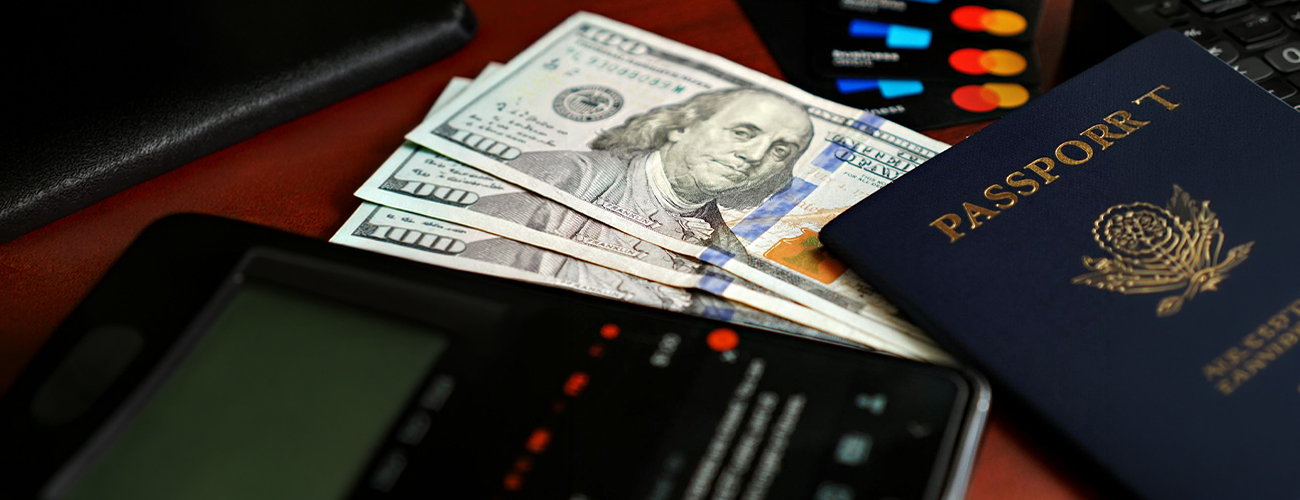
There are now over 50 countries offering dedicated digital nomad visas — a remarkable shift from fewer than 10 just five years ago. But not all visas are created equal. Some are bureaucratic nightmares with short stays. Others are cheap to get but put you somewhere you'll spend every evening worrying about your laptop bag.
We ranked these 10 programs on three criteria that actually matter for long-term nomads: ease of acquisition (income requirements, paperwork, processing time), safety of the destination, and how long you can realistically stay — including renewals. The result is a shortlist built for people who want to plant a real flag, not just test the waters.
#10 — GEORGIA Income:
~$2,000/mo | Initial Stay: 1 year | Safety: High | Renewal: Yes

Georgia doesn't get the press it deserves. Nestled between the Caucasus mountains, Tbilisi has quietly become one of the most affordable, welcoming, and genuinely interesting cities for remote workers. The food scene alone is worth the flight.
What puts Georgia on this list is how frictionless entry really is. Application costs are extremely low — sometimes free — and many passport holders already benefit from long visa-free stays. The remote work program allows a 1-year stay and is renewable in most cases.
[Source: Silicon Valley Times, "Best Digital Nomad Visas in 2026" — noting low/free application costs, rich culture, growing tech scene in Tbilisi, and renewable 1-year stay.]
It lands at #10 only because Georgia lacks a strong direct pathway to permanent residency, and winters in Tbilisi are genuinely cold. But as a low-barrier entry point for longer European-adjacent living, few options match it.
#9 — UAE (DUBAI) Income:
$3,500/mo | Initial Stay: 1 year | Safety: Very High | Renewal: Yes
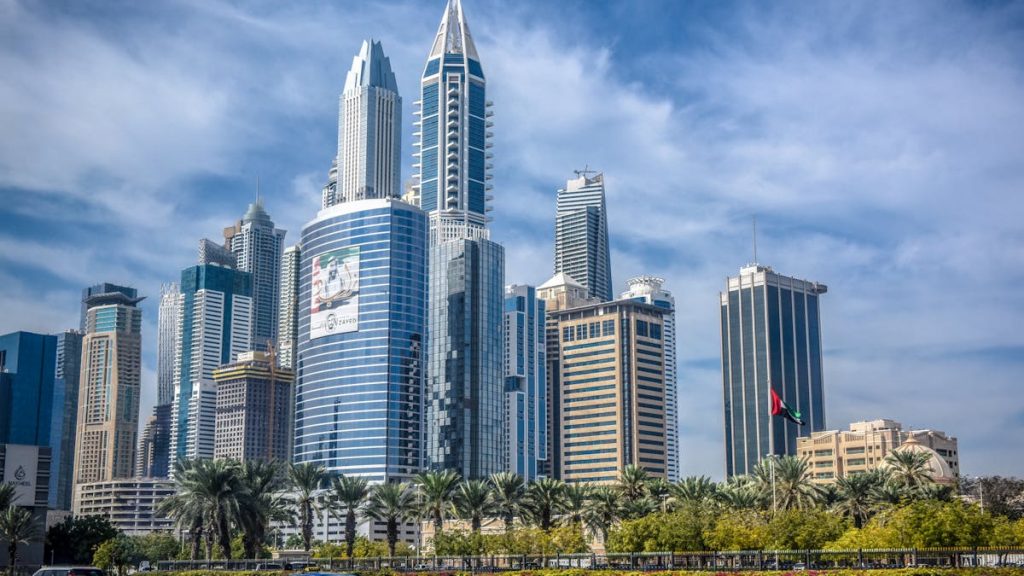
If safety is your primary concern, Dubai is arguably the safest city on this entire list. It consistently ranks among the lowest-crime urban environments on earth. Add to that 0% personal income tax and world-class infrastructure, and you have a serious contender.
The income threshold is real — $3,500/month — but the tax math often makes it wash out. The program is renewable, and Dubai's position as a global hub means connectivity (physical and digital) is exceptional.
One important caveat: as of January 27, 2026, the UAE now requires six consecutive months of bank statements rather than the previous three. That's a meaningful change if you're in an irregular income period.
[Source: Centuro Global Compliance Guide, 2026 — confirming 0% income tax, no local sponsor requirement, $3,500 minimum salary, and updated 6-month bank statement rule effective January 2026.]
It sits at #9 rather than higher primarily because cultural and lifestyle restrictions won't suit every nomad, and the cost of living in Dubai is substantially higher than most alternatives on this list.
#8 — COSTA RICA Income:
~$3,000/mo | Initial Stay: 1 year | Safety: High (for the region) | Renewal: +1 year
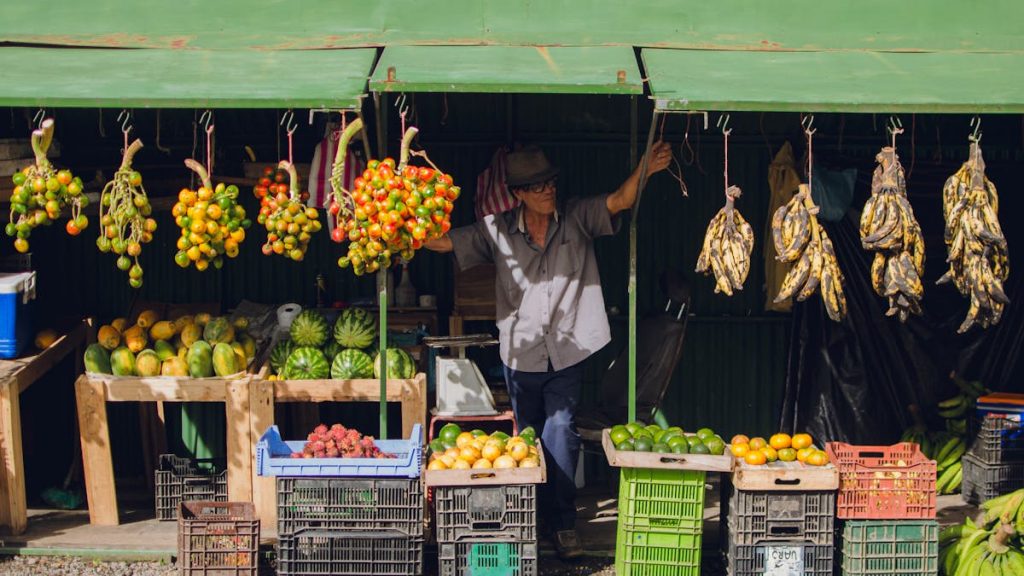
Costa Rica has been a magnet for expats for decades, and its formal digital nomad visa — the Remote Workers and Service Providers program — codifies what many were already doing informally. Rainforests, Pacific surf, Caribbean coast, abundant wildlife: the lifestyle pitch writes itself.
The program allows up to two years of residency (one year plus a one-year extension) and comes with a meaningful tax perk: digital nomads are exempt from local income tax on earnings from outside Costa Rica. That's a clean, uncomplicated benefit.
[Source: RemoFirst, "Top 30 Countries with Digital Nomad Visas" — noting the 2-year total stay (1 year + 1-year extension) and foreign income tax exemption.]
The income requirement at ~$3,000/month is the stiffest on the mid-tier of this list, and the renewal window is limited. But for someone who wants Central American living with legal clarity and solid safety relative to the region, Costa Rica delivers.
#7 — COLOMBIA Income:
~$750/mo | Initial Stay: 2 years | Safety: Moderate (city-dependent) | Renewal: Yes
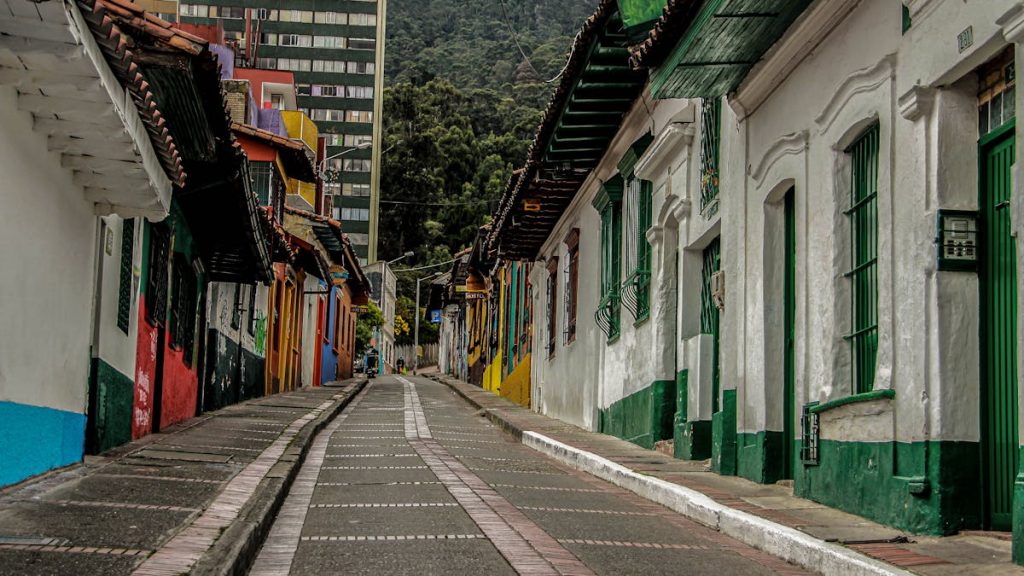
Colombia's Type V digital nomad visa is the most accessible on this entire list by a wide margin. At just $750/month in required income — the lowest threshold globally — it opens the door to long-term international living for a far broader range of remote workers than any European program can.
And it's not just cheap to qualify for. The visa grants up to two years of residence and is renewable if eligibility is maintained. Medellín in particular has become one of the most talked-about nomad cities on earth, with genuine infrastructure, a thriving expat community, and a climate that earned it the nickname "City of Eternal Spring."
[Source: Citizen Remote, "Best Countries for Digital Nomads in 2026" — confirming $750/mo income threshold, 2-year residence, and renewable status for Colombia's Type V visa.]
The honest caveat: safety is real and city-dependent. Medellín and Bogotá's established expat zones are generally safe for aware travelers. Rural areas and certain neighborhoods are not. Go in with eyes open, and Colombia is exceptional value. Go in naively, and you'll have a bad time.
#6 — HUNGARY Income:
€3,000/mo | Initial Stay: 1 year | Safety: Moderate–High | Renewal: Yes
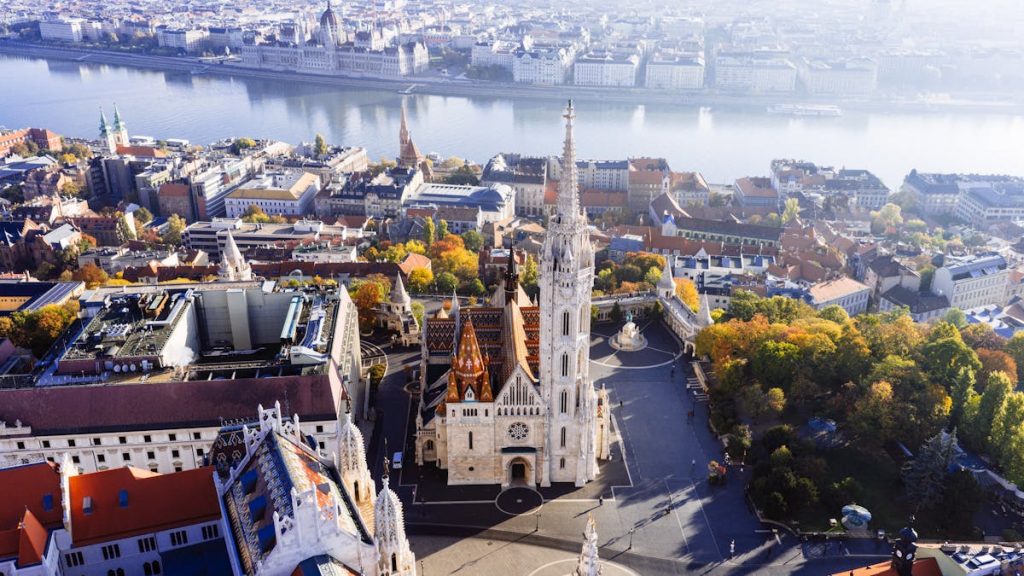
Hungary's White Card is the sleeper pick of the European field. Budapest is one of the most beautiful cities in Central Europe — grand architecture, thermal baths, a legendary food and nightlife scene — and it remains meaningfully more affordable than Western European capitals.
The visa's appeal comes down to simplicity. The income bar of €3,000/month is lower than Spain, Portugal, or Malta, the application process is clean, and the day-to-day cost of living in Hungary is genuinely low. The 2026 Digital Nomad Visa Index specifically singles out Hungary for its low living costs and straightforward €3,000/month income threshold.
[Source: Immigrant Invest 2026 Digital Nomad Visa Index — highlighting Hungary's White Card for low cost of living and €3,000/mo income threshold.]
Hungary doesn't offer the clearest residency pathway, and its political climate warrants research if that matters to you. But as a base for exploring Europe affordably and legally, it's vastly underrated.
#5 — MALTA Income:
€3,500/mo | Initial Stay: 1 year | Safety: High | Renewal: Up to 3 times
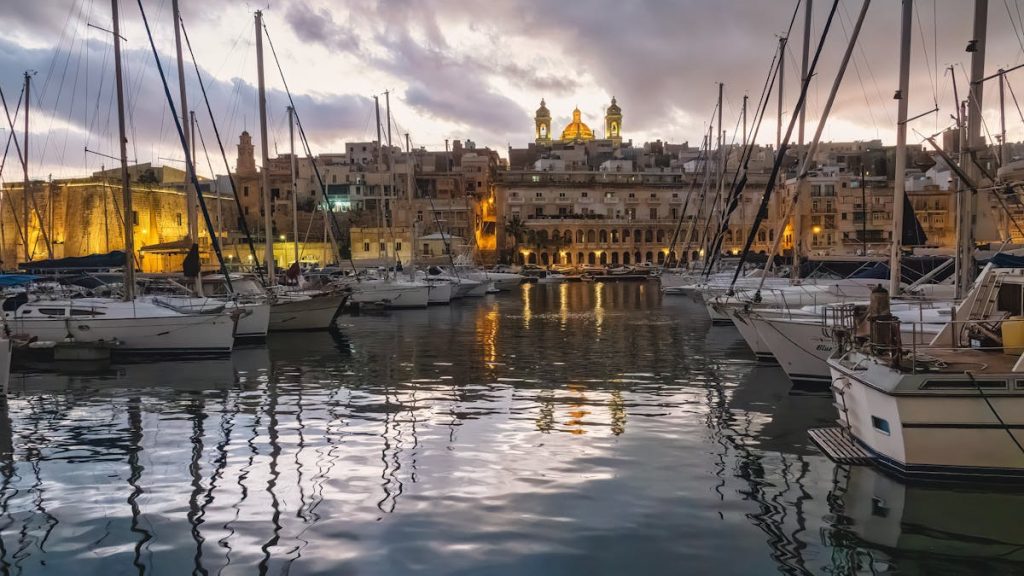
Malta punches well above its size. The island is a full EU member, English is an official language — a genuine practical advantage — the climate is exceptional, and it's positioned perfectly for exploring both southern Europe and North Africa. For many nomads, that combination is hard to beat.
The Nomad Residence Permit requires €3,500/month, allows family members to join, provides access to healthcare, and delivers a high standard of living. Crucially, the permit can be renewed three times, giving serious long-term potential.
[Source: Immigrant Invest, "55 Digital Nomad Visas 2026" — noting €3,500 income requirement, family relocation, healthcare access, renewable up to 3 times, and strong overall value.]
The main limitation is that Malta is small — if you crave mountains, sprawling countryside, or urban density, you'll feel it. But as a sun-soaked, English-speaking EU base with a clear multi-year runway, Malta is genuinely excellent.
#4 — ESTONIA Income:
~€4,500/mo | Initial Stay: 1 year | Safety: High | Renewal: Yes
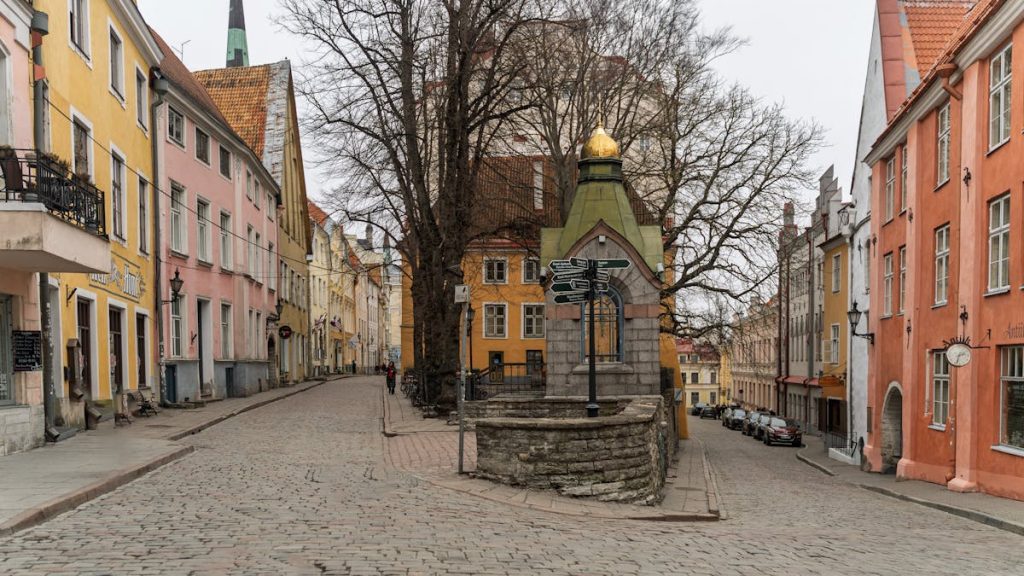
Estonia was the first country in the world to launch a formal digital nomad visa, back in 2020, and it built the program with the same no-nonsense digital-government philosophy that gave us e-Residency. The application is largely online, processing is among the fastest in Europe, and Tallinn's medieval old town is one of the most charming cities on the continent.
The income bar is the highest on this list at ~€4,500/month, reflecting Estonia's positioning toward established professionals rather than entry-level freelancers. But what you get in return is a well-run EU country with high safety, strong internet infrastructure, and a government that genuinely understands remote workers.
[Source: RemoFirst, "Top 30 Countries with Digital Nomad Visas" — confirming ~€4,500/month income threshold and Estonia's status as a leading digital nomad visa destination in 2026.]
The honest tradeoff: Estonian winters are long and dark. If you're planning to stay year-round, budget for seasonal mood management. But as a European base with genuine digital infrastructure and legal clarity, Estonia remains a gold standard.
#3 — CROATIA Income:
~€2,300/mo | Initial Stay: 18 months | Safety: High | Renewal: +18 months
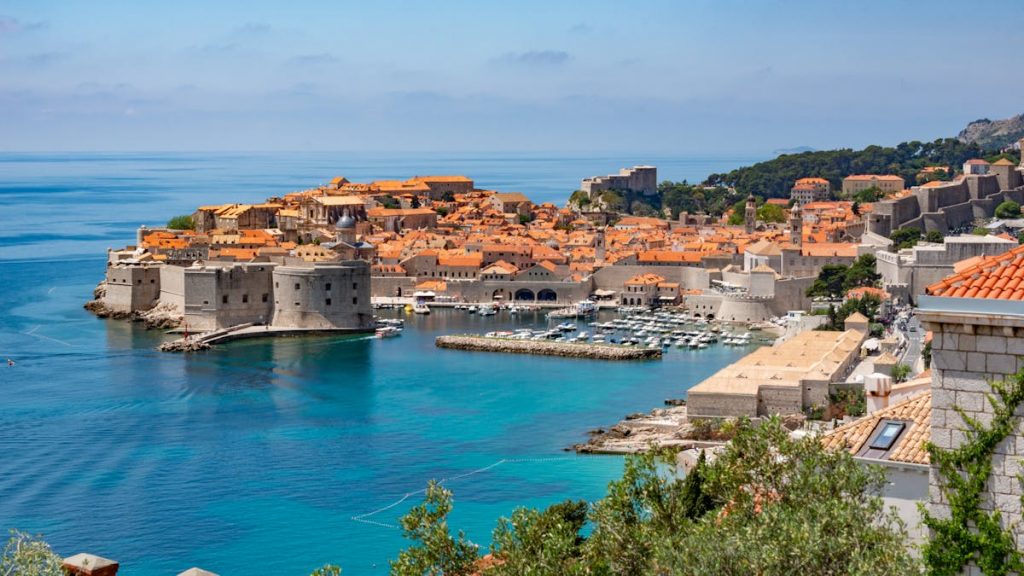
Croatia earns its top-three position on the strength of one feature that quietly outperforms most of its European competition: an 18-month initial visa. Most programs start you at 12 months. Croatia gives you a year and a half before you need to think about renewal — and then grants another 18 months on top of that. That's three years of Adriatic living with two simple steps.
The income requirement of ~€2,300/month is reasonable by European standards. The Adriatic coastline is among the most beautiful in the world. Dubrovnik, Split, Hvar, Zadar — these are not consolation prizes. They're world-class destinations that also function as livable cities.
[Source: Citizen Remote, "Best Countries for Digital Nomads 2026" — confirming 18-month initial duration, +18-month renewal, and ~€2,300/mo income requirement for non-EU/EEA/Swiss citizens.]
Croatia is a full EU and Schengen member (since 2023), which means freedom of movement across the bloc. The only genuine knock is that this isn't a pathway to permanent residency the way Spain or Portugal are. But for a 3-year Mediterranean chapter, Croatia is hard to beat.
#2 — PORTUGAL Income:
~€3,680/mo | Initial Stay: 1 year | Safety: High | Renewal: Up to 5 years → Permanent Residency
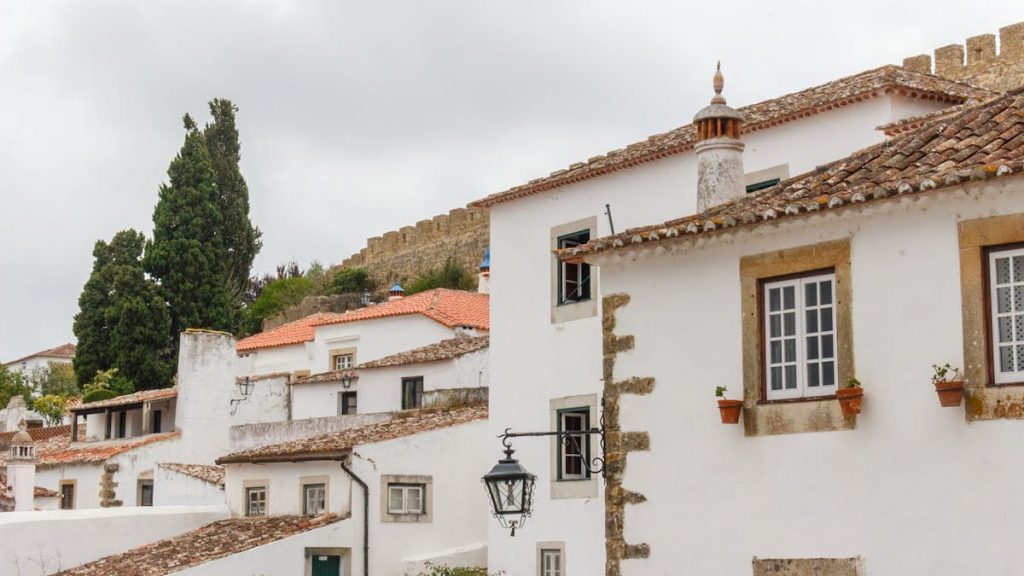
Portugal has been the darling of the digital nomad world for years, and the D8 visa justifies that reputation. Lisbon and Porto are vibrant, cosmopolitan, English-friendly cities with world-class food, exceptional public transit, and a culture that genuinely welcomes outsiders. The Algarve coast is one of the most stunning stretches of Atlantic Europe.
What separates Portugal from most programs is the long runway. The D8 visa is renewable up to 5 years and creates a legitimate pathway to permanent residency — and from there, citizenship. For anyone thinking about this as more than a temporary adventure, that matters enormously.
[Source: Immigrant Invest 2026 Digital Nomad Visa Index — Portugal D8 ranked 3rd globally, renewable up to 5 years with permanent residency pathway; income requirement approximately €3,680/month (four times the 2026 minimum wage).]
The income requirement of ~€3,680/month is on the higher end, and Lisbon specifically has become expensive by Southern European standards. But Portugal remains one of the most complete long-term nomad packages on earth — safety, culture, climate, legal pathways, and EU access all in one place. It misses #1 by a whisker.
#1 — SPAIN ★ BEST OVERALL Income:
~€2,850/mo | Initial Stay: 1 yr (abroad) / 3 yrs (in-country) | Safety: High | Renewal: Up to 5 years → Permanent Residency
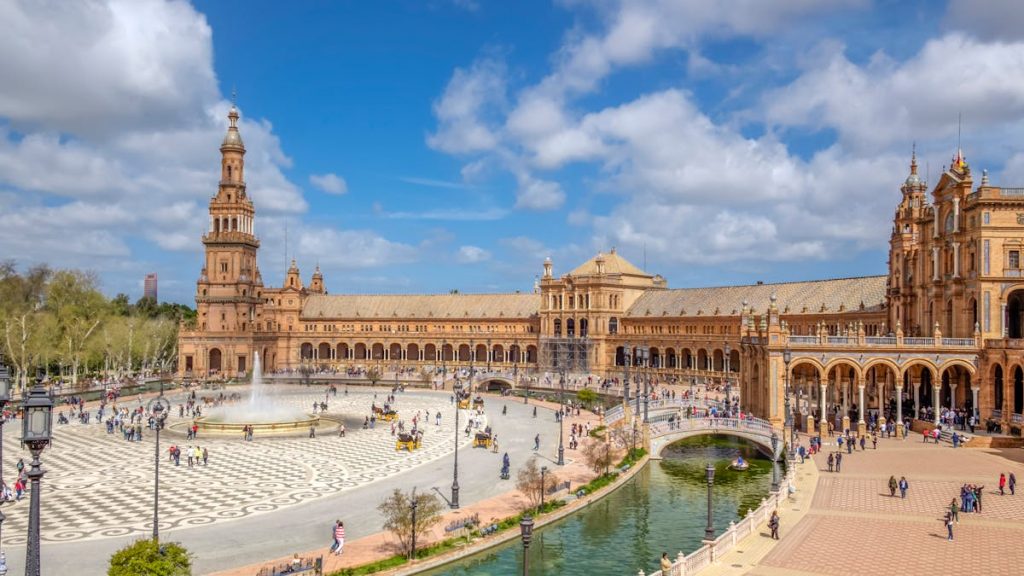
Spain doesn't just win this list — it earns the top spot across almost every dimension simultaneously. The 2026 Digital Nomad Visa Index ranked Spain first among all global programs, and when you look at what it offers, the result isn't surprising.
Start with duration: if you apply from abroad, you receive a 1-year initial visa. Apply from within Spain, and you receive 3 years from the start. That alone sets it apart from most programs. Renew it, and you're looking at a total of up to 5 years with a clear path to permanent residency.
Then there's the tax structure. Qualifying nomads can access Spain's "Beckham Law" — a regime that applies a flat 24% tax rate on Spanish-sourced income and, for many applicants, effectively 0% on foreign income for up to six years. In a country where the standard income tax tops out above 45%, that's a transformative advantage.
[Source: Immigrant Invest 2026 Index & Centuro Global Compliance Guide — Spain's visa offers up to 5 years renewable with permanent residency pathway; initial visa is 1 year (abroad) or 3 years (in-country); Beckham Law provides 0% on foreign income and 24% flat rate on local earnings for up to 6 years. Income requirement: €2,850/month (200% of Minimum Interprofessional Salary).]
And then there's simply the life. Spain ranked first in the 2025 Global Digital Nomad Report for quality of life metrics: public transport, healthcare (top 10 worldwide), urban safety, Mediterranean climate, and the kind of cultural richness that makes you want to stay. Barcelona's startup ecosystem, Madrid's pace, Valencia's balance of beach and affordability — there's a version of Spanish life for almost every type of nomad.
The income threshold of ~€2,850/month is lower than Portugal's, the initial stay can be longer, the tax benefits are more dramatic, and the lifestyle quality is unmatched. Spain is the gold standard of digital nomad visas in 2026. Full stop.
A final note: Digital nomad visa rules change frequently and sometimes without much warning. Income thresholds have risen across the board since 2022, some programs have been quietly discontinued, and enforcement is tightening globally. Always verify current requirements directly with the consulate or an immigration attorney before committing.
The programs on this list represent the best combination of accessibility, safety, and long-term viability available in 2026. Whether you're drawn to the Adriatic coast, the streets of Medellín, or a Barcelona terrace — your legal path there exists. You just have to choose the door.